Eagle Scaffolding Remembers 9/11
By Brett Fairbourn
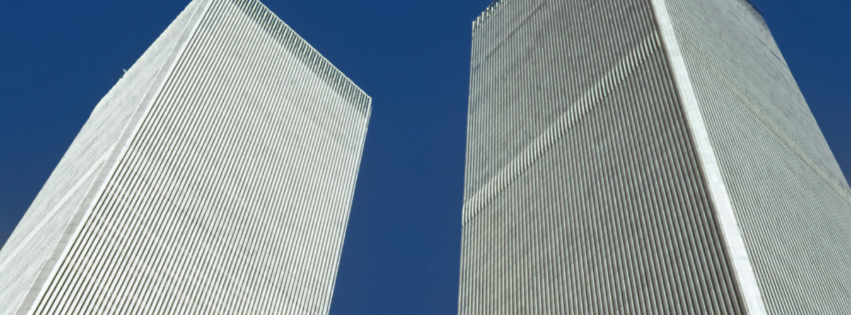
It's been 25 years since September 11, 2001, and for some, the memories of that day haven't faded. The tragedy and the scars it left, both seen and unseen, persist in the lives of those it touched. But so do the memories of the people who showed up: the tradespeople, laborers, and volunteers who gave their time and expertise to the recovery effort.
"Of course we have the firemen, and the policemen, and the EMS workers. And then we have the volunteer firemen. And then you have the iron workers, and the construction workers, and the laborers. On 9/11, all Americans responded from all walks of life."— Dr. Benjamin Luft, who has spent over two decades collecting firsthand accounts from 9/11 responders, on 60 Minutes
The aftermath of a disaster requires access solutions as well as brave volunteers. The people at Eagle Scaffolding Services, Inc. were some of those who responded. This is one family's part of that story.
Unfortunately, 9/11 wasn't the first time
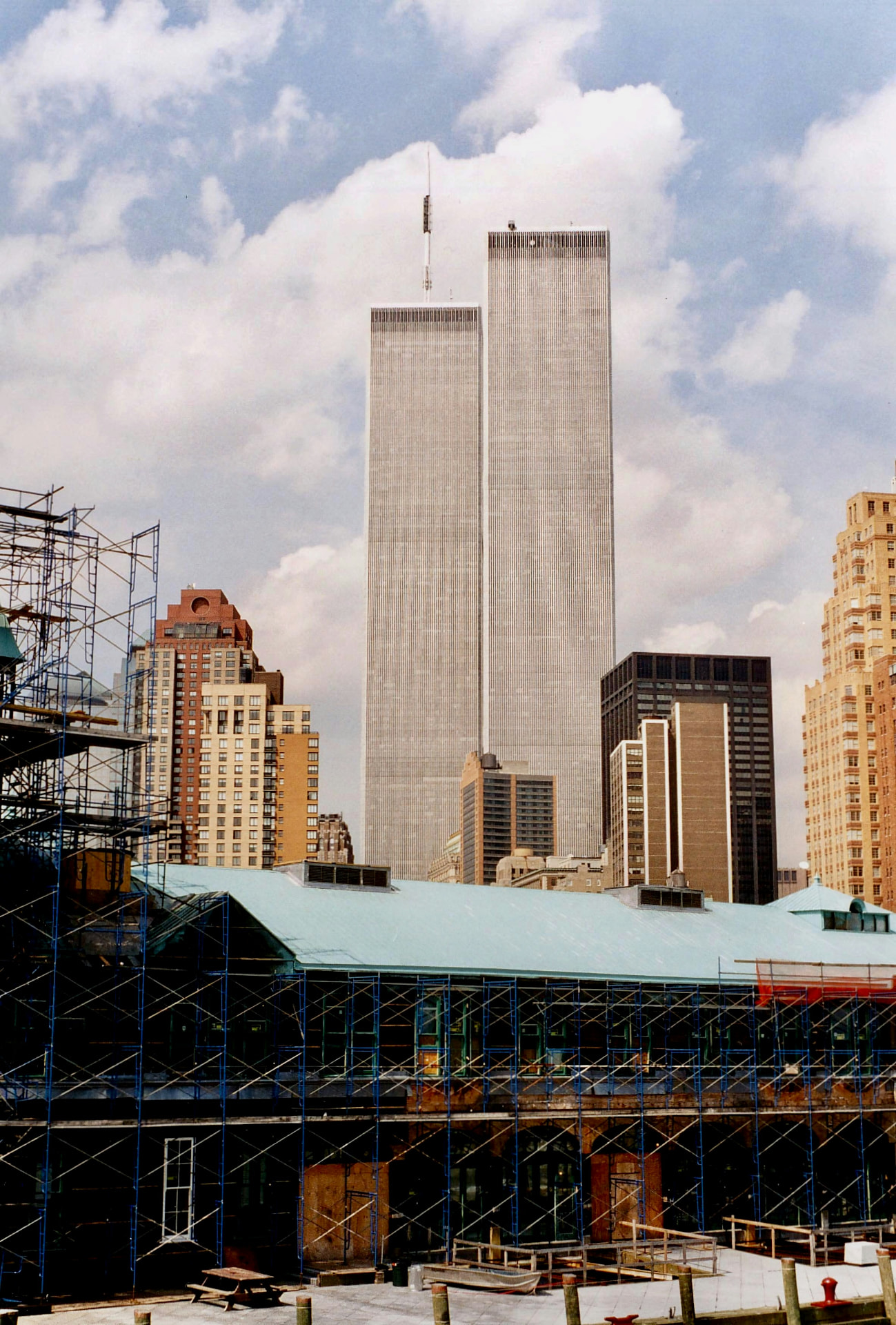
Eagle Scaffolding was founded in 1978. The company built its reputation taking on complex scaffolding, shoring, and access projects throughout New York, and over the years developed working relationships with the Port Authority and private contractors at the World Trade Center. Those relationships and Eagle's reputation for expertise were tested on February 26, 1993, when Eagle was called in after the World Trade Center bombing, tasked with shoring the concourse level to support installation of a fire sprinkler system.
A disaster like that raises a stark question: how do you safely access a building damaged at a structural level, then get the systems in place to make it safe again? Eagle's team was put through it at every level: leadership, office staff, drivers, foremen, and laborers all had to stay in lockstep as conditions changed hour to hour. Eagle earned its place that year as a scaffolding contractor New York City trusted with its hardest access problems, and solidified a relationship with the World Trade Center that, unfortunately, would be tested again.
Where were you?
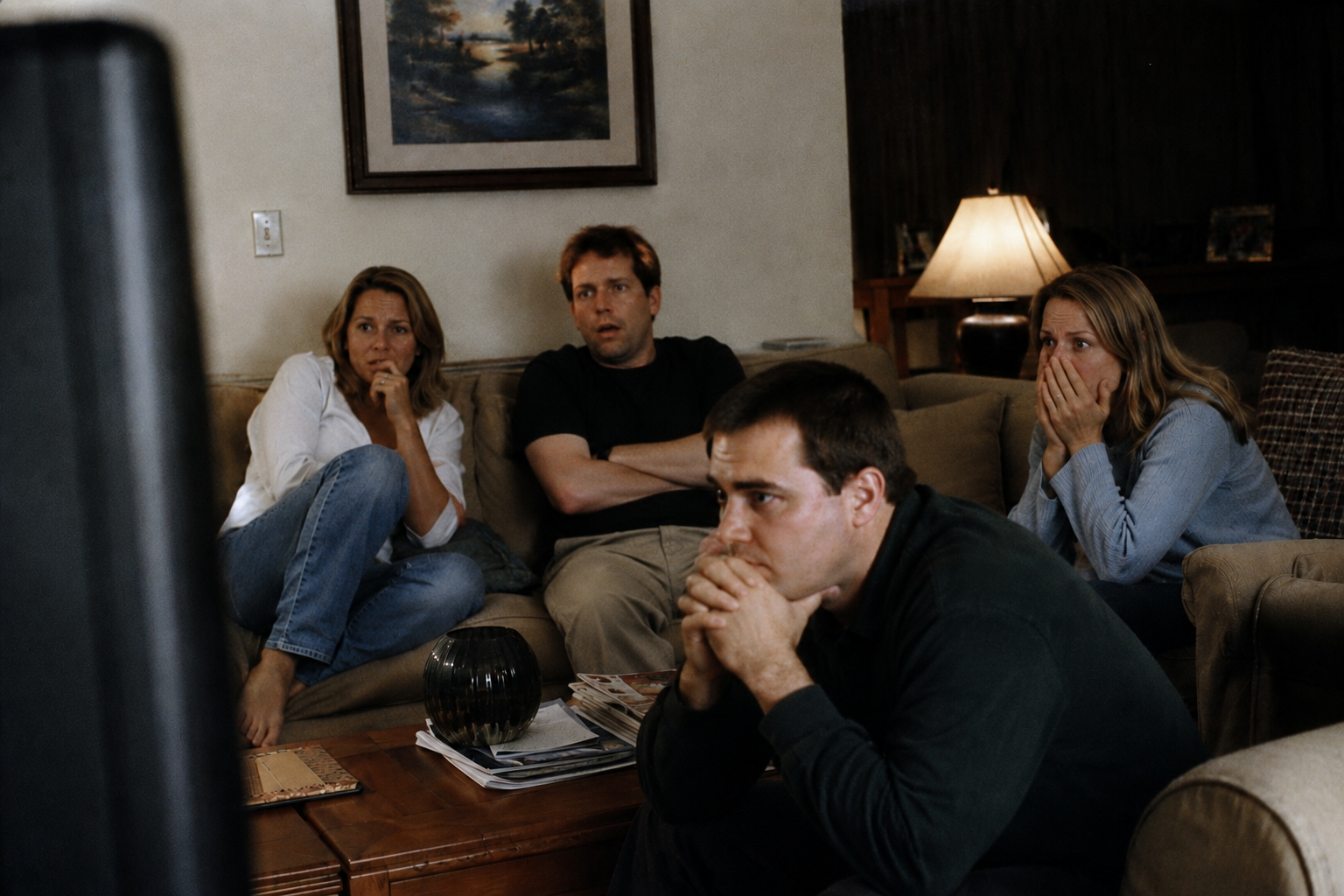
That's the question that opens most conversations about September 11th. Michael Paladino remembers his parents' generation asking a version of it about President Kennedy's assassination: where were you when you heard? Within Eagle, as throughout the country, September 11th touched people in different ways: many employees had family, friends, and neighbors serving as firefighters, police officers, emergency personnel, construction workers, and union tradespeople, and the recovery that followed asked thousands of people from every walk of life to work side by side. Those who responded included many Eagle employees who have since retired or moved on from the company or the industry, and whose service remains part of the company's history.
Michele Farinaccio, now Eagle's director of business operations, remembers riding into the city with her parents as a kid. Her father, Michael Paladino, is Eagle's current president. Michele has fond memories of evenings when the family would drive to the city, get ice cream, and stop by the World Trade Center so her dad could check on the work there. Michele spent a lot of after-hours time in those towers, befriending the security guards, walking around with her parents, getting an inside view of the scaffolding business just as she grew old enough to understand what it meant. She also remembers her dad taking her to unglamorous job sites, showing her that a successful scaffolding company is built on real, hard work, but she speaks most fondly of those visits to the World Trade Center.
She was in seventh grade when it happened. She remembers noticing it was "an off day." Kids were being pulled out of class all morning, and she didn't know why. A school monitor pulled her out of English and asked if she knew what was going on. Nobody at school felt it was their place to tell her more than that, because they knew her father might be in danger. "I just pray that everything is okay for you and your family," the monitor told her.
Her mother, Margaret, was student teaching that morning when she heard the planes had hit the towers. She left immediately to pick up her son, Michael, and her daughter, Michele. It wasn't until she reached her son's school that the scale of what was happening became clear — what everyone had assumed was an accident was now, unmistakably, a deliberate attack. Before the phone lines went down, she managed to get confirmation that her husband was safe. Then she updated her children as gently as she could.
Michele's first thought went to the security guards at the World Trade Center, who used to wave her through on those evening visits. They had been so kind to a kid who perhaps didn't belong there, but was welcomed anyway.
She was spared the firsthand experience the adults around her carried that day as she waited for her father to return. He had gone back to the office to make sure his employees could get home safely, and the following morning he was on the pile, working alongside search-and-rescue personnel. Michele remembers her house filling up with Eagle employees who couldn't get home because the streets were closed. She remembers candlelight vigils, and a community coming together even as the news kept getting worse. She remembers school being shut down for what felt like a long stretch. She remembers that a lot of her neighbors on Long Island worked as firefighters and police officers in the city, and what that meant for those families in the days that followed.
Twenty-five years later, Michele is a mother of three and the third generation of her family running business operations at Eagle. She still carries September 11th into how the company operates: "On 9/11, we're mindful of crew members who have trauma from 2001. We honor time off requests for those employees, and we try not to send employees into areas that were impacted."
The work continued
Eagle's involvement didn't end in the immediate aftermath. Before the company was formally contracted for recovery work, Michael Paladino worked alongside a demolition contractor, supervising a crew that helped remove the Vesey Street sky bridge. In the months and years that followed, Eagle's projects included cleaning and decontamination stations, along with work at 30 Broadway and 130 Liberty Street, just a few examples of the recovery, cleanup, and rebuilding work the company carried out across Lower Manhattan.
What it means now
Eagle Scaffolding didn't set out to become the kind of company that gets called into disaster zones. But after building their reputation on high-complexity projects and responding to two terrorist attacks, they're proud to serve the tri-state area as a team that has faced tests most only fear. Most of all, they're proud of the exhaustive work they put into their daily safety practices, and they're grateful for their project partners who take safety just as seriously.
Yes, they helped the city recover from terror attacks twice, because the work they already did turned out to matter most when the city least expected it. But what's stayed with the company isn't a tagline about being there when it counted. It's subtler than that, and more lasting: a president who still visits jobsites daily to prevent the consequences of safety lapses, a director of operations who still thinks about the kindness of security guards when she reflects on that tragic day of her childhood, and a company that, a quarter century later, still quietly protects its own people from having to relive those memories.
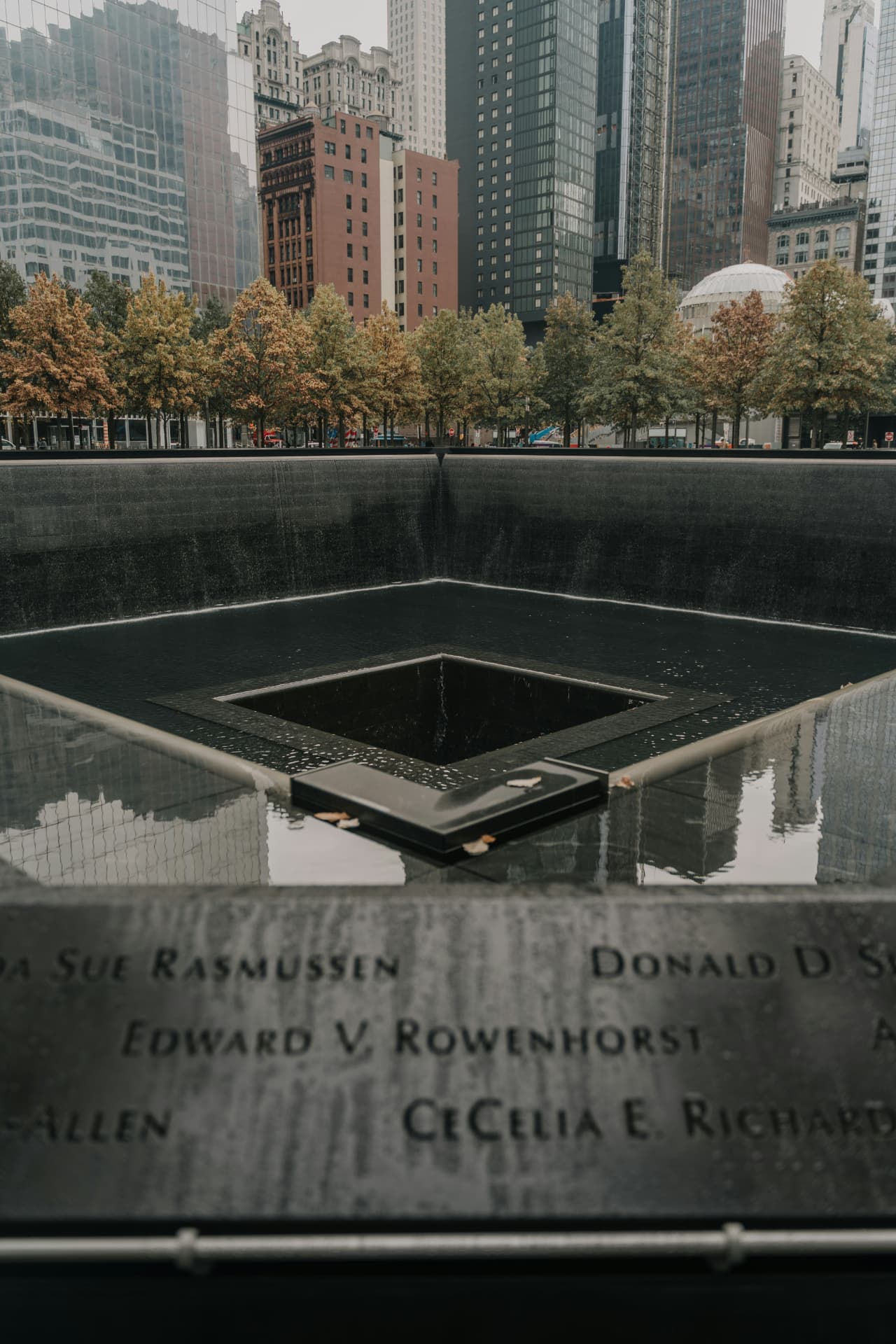
Twenty-five years later, Eagle Scaffolding remembers and honors everyone who responded when New York needed them most. The lives lost, the families who still carry that loss, and every first responder, tradesperson, laborer, and volunteer, inside the Eagle family and beyond, who gave something of themselves to the recovery, all deserve our acknowledgment and gratitude. That courage and sacrifice should never be forgotten.
About the Author
Brett Fairbourn runs HUM (Hire the Ultimate Marketer), a marketing consultancy for construction and construction-tech companies. He first met the Eagle team in person while shooting a video for CrewTracks' "Innovative Industry Leaders" award, which Eagle received, and came away struck by Michael's hospitality and his evident care for his employees' well-being. Brett's father was at the Pentagon on September 11th; having spent time with the people at Eagle since, he knows how much that day still matters to them, and he's honored to help tell their story.
This article may be reproduced in its entirety or in part by any outlet. All images are free to use, sourced from Unsplash.com or original to this piece, published here for the first time. If you republish or reference this piece, please link to eaglescaffolding.com/eagle-scaffolding-remembers-9-11.